
How to Talk to Your African Daughter About Puberty — Without Shame or Fear
A warm, practical guide for parents — when to start, what to cover, and how to do it the African way, with dignity.
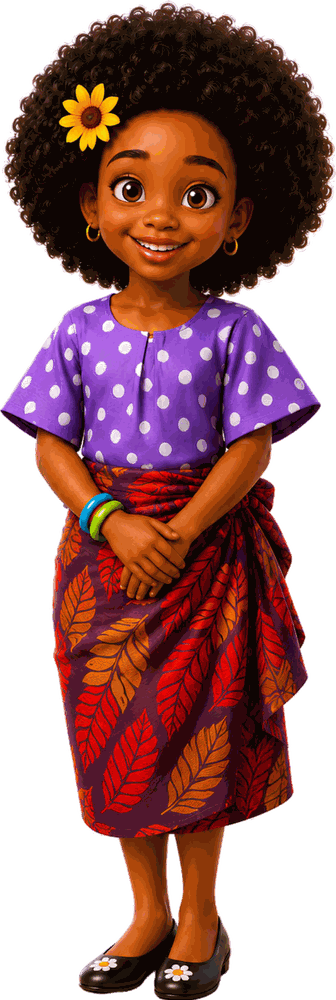
Talking to your African daughter about puberty works best when you start early, speak plainly, and treat her changing body as normal and good rather than something shameful. Begin before the changes arrive — around ages 8 to 9 — and keep it going as short, ongoing conversations rather than one big talk. The goal is simple: she should understand what is happening to her body before it happens, so she meets it with confidence instead of fear.
In many African homes these conversations were traditionally avoided or handled with fear-based warnings. Replacing that with warm, factual, culturally-rooted guidance is what protects a girl's confidence during the years it is most fragile — and it is one of the most loving things a parent can do.
Timing
When to start
Start before puberty begins — around ages 8 to 9. Signs can appear by age 8, and a girl who understands what is coming meets it calmly, while one caught unprepared often meets it with fear or embarrassment. You are not aiming for one big talk. Short, natural conversations over months and years work far better than a single overwhelming lecture, and they keep the door open for her to come back with more questions.
Why it matters
The "no shame, no fear" approach
A girl's confidence tends to dip sharply during puberty, and how the adults around her handle it shapes how she feels about her own body for years. When puberty is treated as secret, dirty or frightening, she learns to feel ashamed of something completely natural. When it is treated as a normal, expected part of growing up, she stays confident and is far more likely to come to you with questions instead of hiding them. The single most protective thing you can do is make sure she understands her body before it changes — knowledge replaces fear.
How to do it
How to have the conversation
A few simple principles make these talks easier for both of you:
- Ask before you explain. Start with what she already knows or has heard, then fill in the gaps and gently correct any myths.
- Use correct, simple words. Plain, accurate language signals that nothing here is too shameful to name.
- Normalise it. Remind her that every girl and woman goes through this — she is not alone and nothing is wrong with her.
- Keep it ongoing. Let it be many small conversations, not one big one, so she can keep coming back as new questions arise.
What to cover
What to talk about
Across these conversations, the ground to cover includes the physical changes of puberty (breast development, body hair, growth, body odour), periods and how to manage them with confidence, good hygiene, the emotions and mood changes that come with growing up, and — importantly — boundaries and personal safety, so she knows her body is her own and whom she can trust and talk to.
Culture
Doing this the African way, with dignity
You do not have to choose between your culture and an open, healthy conversation. In many African homes, puberty was met with silence or fear-based warnings — often meant to protect girls, but which taught shame instead. The healthier path keeps the warmth, respect and closeness of African family life, and simply replaces the silence with honest, age-appropriate guidance. A daughter can grow up proud of who she is, rooted in her culture, and fully informed about her own body. Those things belong together.
Questions
Common questions from parents
At what age should I talk to my African daughter about puberty?
Start before the changes begin, around ages 8 to 9. Some girls show early signs of puberty by age 8, so the conversation should come before her body starts changing, not after. Beginning early means she meets puberty already understanding it, rather than being frightened by something no one prepared her for.
How do I talk to my daughter about her period without making her ashamed?
Treat it as normal, healthy and expected. Use correct, simple words instead of vague or fearful language, ask what she already knows before explaining, and reassure her that every girl goes through it. Avoid fear-based or secretive framing, which teaches shame. The goal is for her to feel informed and calm, not embarrassed.
How was puberty traditionally handled in many African homes, and what is a healthier approach?
In many African homes puberty was met with silence, secrecy, or fear-based warnings meant to protect girls but which often taught shame instead. A healthier approach keeps the cultural warmth and respect but replaces silence with early, factual, age-appropriate conversation — honouring tradition while giving a girl the knowledge and confidence to understand her own body.
Is there a puberty guide made specifically for African or Nigerian girls?
Yes. The Smart Sindara Puberty Guide is written specifically for African and Nigerian girls aged 8 to 12, covering body changes, periods, hygiene, emotions, boundaries and confidence in a warm, culturally-rooted and shame-free way. It is used in schools and homes around the world. Learn more about the Smart Sindara Puberty Guide and how to get a copy.
About the author
Tolu Tomori Adedeji is the founder of Smart Sindara and the author of the Smart Sindara Puberty Guide. A mother of four, she creates books, stories and educational content that put African children at the centre of the story.
Get the guide
The Smart Sindara Puberty Guide
A gentle, age-appropriate puberty and confidence guide written for African girls aged 8 to 12 — helping her understand her changing body with knowledge, dignity and confidence. Used in schools and homes around the world.
- In the diaspora (Canada, US, UK and beyond): order on Amazon.
- In Nigeria: order directly by WhatsApp or Instagram DM — message +234 810 298 1754 on WhatsApp and we will arrange delivery to you.
Prefer to help a girl who cannot afford a copy? You can sponsor guides through the Growing Strong Girls program.